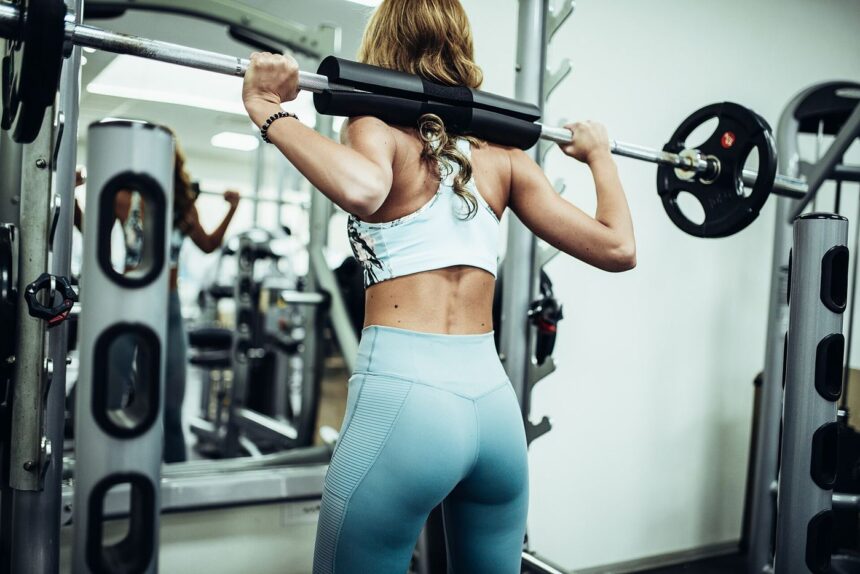
Beginners are starting strength training at home with no gym, discovering that a few simple exercises with body weight or household items can build real strength. Strength training was once seen as the preserve of gyms and heavy weights, yet health experts now recommend it for everyone, because stronger muscles protect joints, support the back and keep everyday tasks, from carrying shopping to climbing stairs, easy as the years pass. A beginner needs no equipment at all: squats, wall push-ups, lunges and glute bridges use only body weight, and a filled water bottle or a bag of rice can add resistance. The key, physiotherapists say, is to start gently, with two short sessions a week, and to focus on good form rather than speed or effort. Many people follow a short online video or a printed routine, and progress by adding a few more repetitions each week. Within a month, most beginners notice the difference: stairs feel easier, bags feel lighter and posture improves.
What the Evidence Shows
Experts advise warming up first, with a few minutes of marching or gentle movement, and resting a day between sessions so muscles can recover. Each exercise should be done slowly, with control, and any sharp pain is a signal to stop and check form. A simple routine might include a squat, a push-up against a wall or a table, a row using a sturdy chair, and a bridge, repeated twice. Progress comes from small increases, such as one more repetition or a slightly deeper squat, rather than sudden jumps. Anyone with a health condition, a recent injury or a joint problem should check with a clinician before starting. For beginners, the message is encouraging: strength training at home is cheap, quick and effective, and a few minutes twice a week is enough to build strength that lasts. Reporting and analysis from sources such as The Lancet track the same developments, and specialists following strength training at home say the direction is now consistent across independent lines of evidence.
The Wider Context
Equity runs through every discussion of strength training at home. Interventions that require apps, fees or free weekday afternoons reliably reach the people who need them least, so the programmes earning praise are those designed around clinics, workplaces and community venues that already serve everyone. Evaluation reports now publish uptake by income and region as a matter of routine.
What Happens Next
The practical takeaway on strength training at home is deliberately unglamorous: it works best as part of ordinary, well-delivered care rather than as a standalone fix. Health services are planning on that basis, building the referral routes and follow-up that turn a promising result into population benefit. The gains arrive slowly and then, in the statistics, unmistakably. You can follow related developments in our coverage of health.
It is also worth remembering how quickly the picture in this area has changed before. Positions that looked settled a few years ago have been revised as new data arrived, and the same humility is appropriate now. The strongest coverage of this subject, and the most useful advice, tends to come from sources that update their views openly when the facts move, rather than defending an earlier position long after it has stopped fitting the evidence available.