For decades, diagnosing sleep apnoea meant a night in a laboratory: electrodes glued to the scalp, belts around the chest, a technician watching from the next room and a bill to match. That ritual is steadily giving way to something far simpler — a small kit posted to your home, worn for a night or two in your own bed, and returned for analysis. Home sleep testing has moved from a compromise to the default first step for many adults.
The change matters because sleep apnoea is both common and underdiagnosed. The condition, in which breathing repeatedly pauses during sleep, is linked to high blood pressure, heart disease, stroke and dangerous daytime sleepiness. Yet laboratory capacity never came close to demand, and many people — as readers of our health coverage will know — waited months for a study, or never had one at all.
How a Home Test Works
A typical home device records airflow through a nasal cannula, oxygen levels and pulse from a finger sensor, chest movement and body position. Worn for one to three nights, it gathers enough information to estimate how often breathing stops or shallows — the apnoea-hypopnoea index clinicians use to grade severity. Newer wearable devices dispense with most wires, using a ring or wrist sensor and algorithms that infer breathing disturbances from blood oxygen patterns.
The data go to a sleep service for scoring, increasingly with algorithmic assistance and human review. Guidance summarised by the National Institutes of Health supports home testing for uncomplicated adults with a high likelihood of moderate to severe apnoea — a large share of those referred. A clear positive result at home can lead straight to treatment, usually a CPAP machine trialled at home as well.
What Home Testing Does Well — and Badly
The advantages are practical. People sleep more naturally in their own beds, so results may reflect ordinary nights better than a single wired laboratory session. Testing several nights captures night-to-night variation that one laboratory night misses. Costs are a fraction of an attended study, which lets health systems test far more people and reserve scarce laboratory beds for complex cases.
The limitations are real. Home tests cannot stage sleep precisely, so severity can be underestimated in people who sleep poorly during the test. They may miss other disorders — periodic limb movements, certain parasomnias, central apnoea patterns — that a full laboratory study with brain-wave monitoring would catch. A negative home result in someone with strong symptoms should therefore lead to a laboratory study, not a clean bill of health.
Who Still Needs the Laboratory
Children, people with significant heart or lung disease, those with suspected central sleep apnoea and patients whose home results contradict their symptoms all remain laboratory cases. So do people being assessed for certain occupational licences, where regulators require attended studies. Clinicians stress that home testing is a triage tool within a clinical pathway, not a consumer gadget verdict: symptoms, history and examination still decide what happens next.
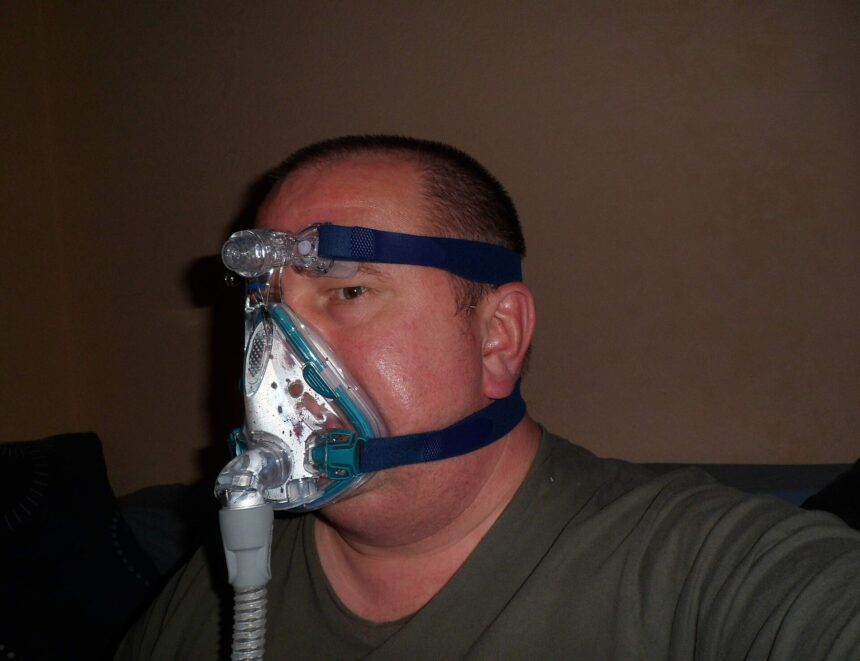
That pathway is getting faster. In several health systems, a positive home test now triggers an automatic CPAP trial with remote monitoring, and clinicians review adherence data within days rather than months. Early evidence suggests speed matters — people started on treatment quickly after diagnosis are more likely to still be using it a year later, which is when the cardiovascular and quality-of-life benefits actually accumulate.
The Consumer Device Question
Smartwatches and rings increasingly offer apnoea notifications, and regulators have begun clearing some of these features. Specialists welcome anything that prompts undiagnosed people to seek assessment, but caution that a watch alert is a prompt for a proper test, not a diagnosis — and that silence from a watch is not reassurance for a heavy snorer who wakes unrefreshed.
The Bottom Line
Home testing has not abolished the sleep laboratory; it has rationed it intelligently, bringing diagnosis within reach of the many people who would otherwise never be tested. The pattern — a headline technology that works best inside careful clinical judgement — recurs in nutrition science too, as our examination of ultra-processed food studies shows.